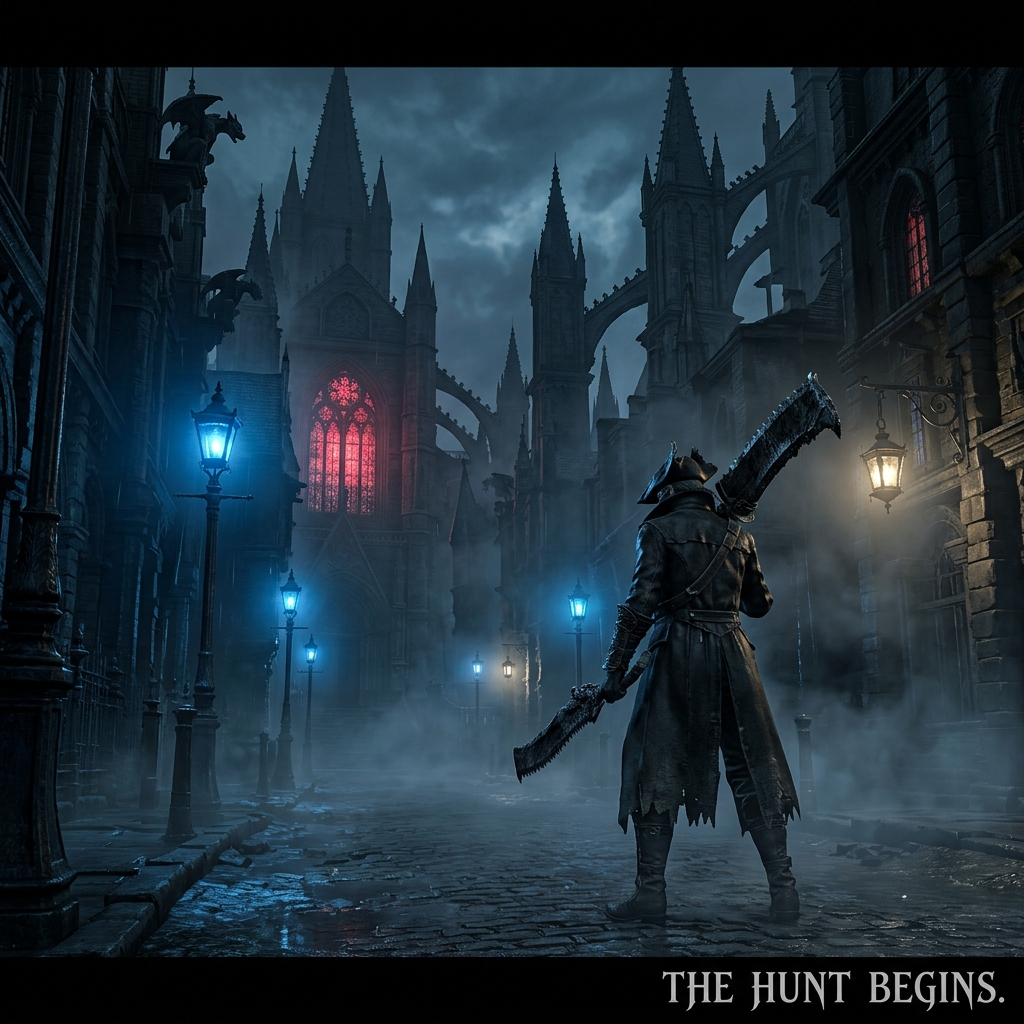
Bloodborne movie adaptation is finally happening, and honestly, the hype is real. FromSoftware’s gothic horror masterpiece is getting the cinematic treatment, and gamers everywhere are equal parts excited and terrified. So, let’s break down everything you need to know about this potentially legendary film.
Introduction to Bloodborne Movie Adaptation: Current Status and Expectations
The Bloodborne movie adaptation news dropped and sent shockwaves through the gaming community. After years of fans begging for more content from Yharnam, we’re finally getting something big. However, video game movie adaptations have a notoriously rocky history, so there’s legitimate concern mixed with the excitement.
Currently, the project is in early development stages with Sony Pictures at the helm. No director has been officially announced yet, but insiders suggest they’re looking for someone who understands dark fantasy and atmospheric horror. Therefore, the community is cautiously optimistic this won’t be another generic Hollywood cash grab.
The expectations are sky-high because Bloodborne isn’t just any game—it’s a cult classic. Fans want cosmic horror, Victorian gothic aesthetics, and that signature FromSoftware cryptic storytelling. Also, the success of recent adaptations like Netflix’s Devil May Cry proves that video game movies can actually slap when done right.
Interestingly, this comes hot on the heels of other gaming projects making waves in cinema, similar to how Mortal Kombat 2 dominated the box office. The gaming-to-film pipeline is finally producing quality content, and the Bloodborne movie adaptation could be the next big win.
Challenges in Adapting Bloodborne’s Unique Lore and Atmosphere
Let’s keep it real—adapting Bloodborne is going to be absolutely brutal. The game’s storytelling is intentionally vague, with lore hidden in item descriptions and environmental details. Therefore, translating that mystery to a linear film narrative is a massive challenge that could make or break this project.
First, the cosmic horror elements are hard to visualize without looking cheesy. Bloodborne’s brilliance lies in gradual revelation—you start hunting beasts and slowly discover you’re in a Lovecraftian nightmare. So, condensing that psychological journey into two hours requires serious creative finesse that most Hollywood writers honestly don’t have.
The atmosphere is another beast entirely. Yharnam’s oppressive gothic architecture, the haunting soundtrack, and that constant feeling of dread—these are interactive experiences. Because of this, the Bloodborne movie adaptation needs a director who understands environmental storytelling, not just action sequences.
Here’s what the adaptation team needs to nail:
- Maintain the ambiguous, cryptic narrative style without confusing casual viewers
- Balance beast-hunting action with slow-burn cosmic horror reveals
- Capture the Victorian gothic aesthetic without it feeling like a Castlevania clone
- Respect the game’s themes of blood, insight, and humanity’s corruption
- Create practical effects for creature designs rather than relying on CGI
Trust me, the FromSoftware fanbase is absolutely unforgiving. One misstep and the internet will tear this Bloodborne movie adaptation apart faster than a mob of Yharnamites. However, if they nail the tone, this could become the gold standard for video game movie adaptations.
| Adaptation Element | Challenge Level | Why It Matters | Potential Solution |
|---|---|---|---|
| Cryptic Storytelling | Extreme | Core identity of Bloodborne | Voice-over narration from unreliable narrator |
| Cosmic Horror Visuals | Very High | Differentiates from generic monster movies | Practical effects + limited CGI reveals |
| Gothic Atmosphere | High | Sets mood and tone throughout | Location shooting + expert production design |
| Combat Sequences | Medium | Maintains pacing and excitement | Choreograph like John Wick with Victorian weapons |
| Fan Expectations | Extreme | Critical for word-of-mouth success | Involve FromSoftware in creative decisions |
Insights from Devil May Cry Netflix Creator on Game-to-Film Adaptation
The creator behind Netflix’s Devil May Cry adaptation recently dropped some serious wisdom about bringing games to screen. His biggest tip? Respect the source material but don’t be enslaved by it. That balance is what the Bloodborne movie adaptation desperately needs to understand.
According to him, the key is identifying what makes the game emotionally resonate with players. For Devil May Cry, it was the over-the-top action and Dante’s personality. Therefore, for Bloodborne, it’s the atmosphere of dread and the existential horror of discovering forbidden knowledge. The movie needs to capture that feeling, not just recreate boss fights.
He also emphasized the importance of having actual gamers in the writers’ room. Because Hollywood executives who’ve never touched a controller will inevitably miss crucial details. The Bloodborne movie adaptation needs people who’ve platinumed the game and understand why fans are so passionate about it.
Another critical insight was about pacing. Games can take 40+ hours to tell a story, but films have 90-120 minutes max. So, the adaptation must identify the core narrative thread and build around that. For Bloodborne, focusing on a single Hunter’s journey through Yharnam discovering the Old Blood’s corruption makes the most sense.
Finally, he stressed collaboration with the original creators at FromSoftware. Having Hidetaka Miyazaki or his team consult ensures the film stays true to the game’s vision. Also, it gives the production team direct access to unused concepts and deeper lore that never made it into the final game.
Lessons from Recent Successful Adaptations
Looking at what worked for other video game movie adaptations provides a blueprint for success. The recent surge in quality shows like Arcane, The Last of Us, and Castlevania proves that audiences are hungry for faithful, well-crafted adaptations. However, they’re also quick to reject soulless corporate products that just slap a game’s name on generic content.
The Sonic movies succeeded because they listened to fan feedback and redesigned the character. The Fallout series crushed it by nailing the game’s dark humor and post-apocalyptic aesthetic. Therefore, the Bloodborne movie adaptation needs similar audience-first thinking rather than trying to appeal to “general audiences” who don’t care about the property anyway.
Key Tips for the Bloodborne Movie Team to Achieve Cinematic Success
First and foremost, the Bloodborne movie adaptation needs to embrace practical effects. The creature designs in Bloodborne are absolutely iconic—the Cleric Beast, Vicar Amelia, Ebrietas. So, building actual prosthetics and animatronics will give them weight and presence that CGI monsters just can’t match.
Second, they need to nail the sound design. Bloodborne’s audio is half the experience—the screams, the ambient horror, that haunting choir music. Therefore, hiring composers who understand gothic horror and cosmic dread is non-negotiable. The score needs to be as memorable as the game’s soundtrack.
Third, cast unknown or character actors rather than big Hollywood names. Bloodborne doesn’t need Chris Pratt cracking jokes as a Hunter. It needs gritty, intense performers who can carry heavy emotional scenes and look convincing covered in blood. Also, this keeps the budget focused on production quality rather than star salaries.
Here’s the priority checklist for the team:
- Hire a director with proven horror credentials and artistic vision
- Develop practical creature effects before relying on digital
- Cast actors who understand dark, serious material and can handle accents
- Film on location in Gothic European architecture whenever possible
- Keep the color palette desaturated with strategic blood-red accents
- Write dialogue that’s sparse and meaningful, not exposition dumps
- Include FromSoftware representatives in major creative decisions
No cap, the cinematography needs to mirror the game’s camera work. Those tight corridors, the sweeping shots of Yharnam’s architecture, the claustrophobic indoor sections—all of that needs to translate. Because visual storytelling is what separates great adaptations from mediocre ones.
What to Avoid at All Costs
Let’s talk about what would absolutely kill this project. First, don’t modernize or “update” the setting. The Victorian gothic aesthetic is core to Bloodborne’s identity. Therefore, setting it in modern times or the future would be a betrayal of everything that makes the game special.
Second, avoid the temptation to explain everything. Bloodborne’s mystery is intentional—fans debate lore to this day. So, leaving some questions unanswered maintains that engaging ambiguity. The Bloodborne movie adaptation should embrace that cryptic storytelling style rather than spoon-feeding audiences.
Third, don’t soften the horror for a PG-13 rating. This game is about blood, madness, and cosmic terror. An R rating is mandatory. Also, the violence needs to feel visceral and consequential, not cartoonish. This isn’t a Marvel movie—it’s gothic horror at its darkest.
Future Prospects and What Fans Can Expect from the Bloodborne Film
Looking ahead, the Bloodborne movie adaptation has potential to launch an entire cinematic universe. If the first film succeeds, we could see explorations of other FromSoftware properties. However, they need to walk before they run—nail this one film first before planning sequels.
Industry insiders suggest we won’t see the film until at least 2026 or 2027. Pre-production alone will take considerable time if they’re serious about quality. Therefore, fans need to be patient and hope the team doesn’t rush production just to meet arbitrary deadlines like other gaming news we’ve covered with GTA 6 email rumors.
The potential streaming versus theatrical release is another consideration. While a theatrical release would be epic, a streaming premiere on a platform that understands the property might give the creative team more freedom. So, don’t be surprised if this ends up being a prestige streaming exclusive rather than a wide theatrical release.
Fan expectations are already forming online communities dedicated to dream casting and director choices. The community consensus seems to favor directors like Guillermo del Toro or Robert Eggers who understand gothic horror. Also, cinematographers who worked on films like The Witch or Crimson Peak are frequently mentioned as ideal collaborators.
Here’s what we can realistically expect:
- Announcement of director and lead writer within the next 12 months
- Production start sometime in 2025 if development goes smoothly
- Heavy involvement from Sony and potentially FromSoftware as consultants
- A dark, mature tone that doesn’t compromise for mainstream appeal
- Possible tie-in game content or PS5 remaster announcement
Honestly, the timing couldn’t be better. Video game adaptations are finally getting respect, and audiences are sophisticated enough to handle complex narratives. The Bloodborne movie adaptation could be the dark horse that redefines what’s possible in this genre, similar to how Battlefield 6 updates are changing expectations for military shooters.
Impact on the Gaming Industry
A successful Bloodborne movie adaptation would have massive ripple effects. First, it would validate FromSoftware’s unique storytelling approach in mainstream media. Second, it would prove that niche, hardcore games can translate to broad cinematic success without dumbing down the content. Therefore, other studios might greenlight adaptations of challenging, atmospheric games rather than just blockbuster franchises.
Also, this could finally push Sony to remaster or create Bloodborne 2. The renewed interest from a film release would demonstrate massive audience demand. So, fingers crossed this movie becomes the catalyst for more Bloodborne content across all media. GG to that future.
FAQ
When is the Bloodborne movie expected to release?
No official release date exists yet since the Bloodborne movie adaptation is still in early development. Based on typical production timelines, we’re probably looking at late 2026 or 2027 at the earliest. However, this assumes smooth pre-production and no COVID-style delays, so honestly, just temper your expectations for now.
Who is involved in the Bloodborne movie adaptation?
Sony Pictures is producing the film, but specific directors, writers, or cast haven’t been officially announced. Industry rumors suggest they’re courting horror specialists who understand atmospheric storytelling. Therefore, we’ll likely see announcements within the next year as the project moves forward and contracts get signed.
How faithful will the Bloodborne movie be to the game?
That’s the million-dollar question every fan is asking. The production team hasn’t revealed their approach yet, but smart money says they’ll capture the atmosphere and themes while creating a linear narrative. So, expect core elements like the Hunt, the Old Blood, and cosmic horror to remain, but probably with a more focused story than the game’s branching paths.
What makes adapting Bloodborne particularly challenging?
Bloodborne’s intentionally cryptic storytelling is the biggest hurdle for the movie adaptation. The game reveals lore through item descriptions and environmental details, which doesn’t translate to film easily. Also, balancing action with slow-burn cosmic horror while maintaining that oppressive gothic atmosphere is incredibly difficult to pull off in a two-hour format.
Will FromSoftware be involved in the movie production?
While not officially confirmed, it would be absolutely bonkers for Sony to make a Bloodborne movie adaptation without consulting FromSoftware and Hidetaka Miyazaki. Recent successful game adaptations all involved original creators, so expect at least advisory roles. Trust me, fan backlash would be nuclear if they completely ignored the people who created this masterpiece.
Stay updated on all gaming news and movie adaptations at GameSpot for the latest industry coverage.