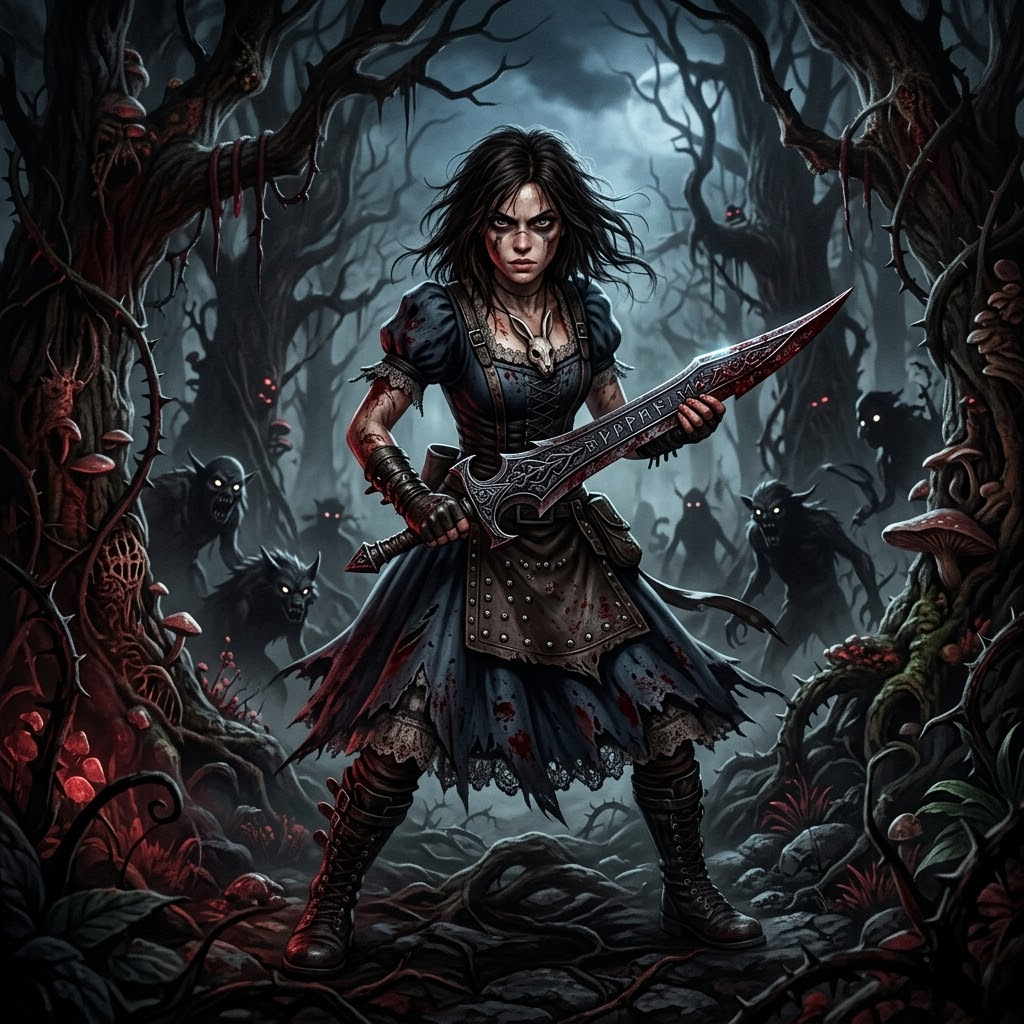
The Alice Madness Returns dev team didn’t just make a game. They went to war with one of the biggest publishers in the industry and lived to tell the tale.
This is the story of how a small group of devs built something incredible while EA tried to kill their vision at every turn.
The Alice Madness Returns Dev Team vs. EA: A Battle for Creative Freedom
Most studios fold when publishers start making demands. Not this crew.
The Alice Madness Returns dev team at Spicy Horse Studios knew what they wanted to create. A dark, twisted sequel that pushed boundaries and told a real story about trauma and madness.
EA wanted something else entirely. They wanted a safe, marketable product that wouldn’t scare shareholders.
Sound familiar? Yeah, this is the same old story we’ve seen with Xbox exclusive games and countless other projects sacrificed at the altar of corporate profits.
American McGee: The Visionary Who Refused to Back Down
American McGee led this rebellion. The dude’s a legend for a reason.
He’d already proven himself with the original American McGee’s Alice back in 2000. That game was dark, beautiful, and completely bonkers in the best way possible.
When he pitched the sequel, EA was interested but cautious. Too cautious, actually.
The Alice Madness Returns dev team wanted full creative control. EA wanted their fingers in every pie, making changes that would “broaden appeal” and other corporate nonsense.
According to interviews on Gamasutra, the conflicts were intense and constant throughout development.
7 Shocking Facts About The Development Saga
1. EA Tried to Cut the Budget Mid-Development
Yep. Classic EA move right there.
Halfway through production, EA game studios decided The Alice Madness Returns wasn’t worth the full investment. They wanted to slash the budget and rush the release.
The Alice Madness Returns dev team fought back hard. They showed metrics, player feedback from demos, and made a case that this game could be something special.
It worked, but barely. They got enough funding to finish, but not enough to do everything they wanted.
2. An Entire Chapter Got Cut Due to EA Pressure
This one hurts. Trust me.
The game was supposed to have an entire additional chapter exploring Alice’s time in the asylum. Dark stuff. Raw stuff. Exactly what made the game unique.
EA axed it for time and budget concerns. The Alice Madness Returns dev team had to scramble to make the narrative work without it.
You can still see the seams if you know where to look in the final game. It’s tragic what could have been.
3. The Marketing Team Didn’t Understand the Game
EA’s marketing department looked at The Alice Madness Returns and had zero clue how to sell it.
Is it horror? Action-adventure? Platformer? They couldn’t figure it out because they didn’t bother to actually play it.
The Alice Madness Returns dev team begged for a proper marketing campaign that targeted the right audience. Instead, EA threw generic ads at mainstream outlets and called it a day.
Result? The game undersold at launch despite being absolutely brilliant. Similar issues have plagued other niche titles, much like the verification problems we’ve seen with PlayStation age verification checks creating barriers for players.
4. They Built Their Own Engine Components Out of Defiance
Here’s where it gets spicy. Literally.
EA wanted the Alice Madness Returns dev team to use pre-approved middleware and tools. Standard, boring, limiting tools that every other EA game used.
The team said nah. They custom-built rendering systems for Alice’s dress physics, the environmental transformations, and those trippy reality-shifting sequences.
This took extra time and resources they didn’t have. They did it anyway because the alternative was a generic-looking game that betrayed the vision.
5. The Team Worked Unpaid Overtime for Six Months
The game development history is full of crunch stories, but this was brutal even by industry standards.
When EA cut the timeline, the Alice Madness Returns dev team had two choices: ship an unfinished mess or work themselves to death.
They chose death. Metaphorically, thank god.
Six months of 80-hour weeks with no overtime compensation. Some devs slept at the office. Marriages strained. Health declined. All to finish what they started.
Was it worth it? They made one of the cult classic games of the generation, but at what cost?
6. EA Buried the Game After Launch
The game launched in June 2011 to solid reviews and a passionate fanbase. Not blockbuster numbers, but respectable for a niche title.
EA’s response? Radio silence.
No DLC support. No marketing push. No efforts to build the community that clearly existed. The Alice Madness Returns dev team pitched post-launch content ideas that EA rejected without consideration.
Check out the full story on Wikipedia for the complete timeline of EA’s abandonment.
7. The Alice 3 Cancellation Was the Final Insult
Fast forward to 2023. American McGee had been trying to get Alice 3 greenlit for over a decade.
The Alice 3 cancellation came via a brief, cold email from EA. No meeting. No discussion. Just a flat “no” after years of proposals and negotiations.
American McGee retired from game development shortly after. Can you blame him? The Alice Madness Returns dev team poured their souls into these games, and EA treated them like disposable assets.
You can read more about American McGee’s current projects and thoughts on his official website.
Why The Alice Madness Returns Dev Team Matters Today
This story isn’t just history. It’s a warning.
Every time a major publisher acquires an indie studio, I think about the Alice Madness Returns dev team. Every time a creative director “leaves to pursue other opportunities,” I remember what happened here.
The EA defiance these devs showed was remarkable, but it shouldn’t have been necessary. Game development shouldn’t be a constant battle between creators and suits who don’t understand the medium.
The Alice Madness Returns remains a masterpiece despite EA’s interference, not because of it. Imagine what the Alice Madness Returns dev team could have achieved with proper support.
We lost Alice 3. We lost future projects from this talented team. We lost what could have been an incredible trilogy because one publisher couldn’t see past quarterly earnings.
The Legacy Lives On
The Alice Madness Returns dev team may have moved on, but their work endures.
The game has a thriving modding community. Speedrunners still discover new tricks. Artists create fan content daily. The story resonates with people dealing with trauma and mental health struggles.
That’s the power of authentic creative vision. When developers fight for what matters, they create something that transcends marketing budgets and corporate strategies.
For those looking to understand more about indie development challenges, check out articles like Vampire Crawlers build guides that showcase how smaller teams innovate without publisher constraints.
Technical Specs and Development Details
| Development Aspect | Details |
|---|---|
| Studio | Spicy Horse Studios (Shanghai) |
| Development Time | 3.5 years (2007-2011) |
| Engine | Unreal Engine 3 (heavily modified) |
| Team Size | Approximately 70 developers |
| Budget | Estimated $12-15 million (reduced mid-development) |
| Publisher | Electronic Arts |
| Release Date | June 14, 2011 |
| Platforms | PC, PlayStation 3, Xbox 360 |
What We Can Learn From This
The Alice Madness Returns dev team showed us what passion looks like. They also showed us the cost of that passion in an industry that often doesn’t value it.
Support developers who fight for their vision. Buy their games. Spread the word. Leave reviews.
Because every time a team like this gets crushed by corporate greed, we lose something irreplaceable. The Alice Madness Returns dev team gave us a gift, and we should remember what they sacrificed to deliver it.
Frequently Asked Questions
Who was on the Alice Madness Returns dev team?
The Alice Madness Returns dev team was led by American McGee at Spicy Horse Studios in Shanghai. The core team included veteran designers who worked on the original Alice game, plus talented artists and programmers from across Asia and North America. About 70 people total contributed to the final product over 3.5 years.
Why did EA and the dev team clash so hard?
EA wanted a safer, more marketable product while the Alice Madness Returns dev team wanted to preserve the dark, mature themes that made the series unique. Budget cuts, timeline pressures, and creative differences created constant friction. EA viewed it as a risky niche title while the devs knew they were making something special.
Will there ever be an Alice 3?
Nope. GG. The Alice 3 cancellation was officially confirmed by EA in 2023 after years of American McGee trying to get it greenlit. McGee retired from game development after this final rejection, so unless EA sells the IP and someone else takes over, the series is dead.
Is Alice Madness Returns worth playing in 2024?
Hell yes. The Alice Madness Returns dev team created something timeless. The art direction still looks incredible, the platforming is tight, and the story hits different when you’re older. It’s available on Steam and console backwards compatibility. Grab it on sale and experience what all the fuss was about.
What happened to Spicy Horse Studios?
Spicy Horse closed in 2016 after EA continued to reject Alice 3 proposals and other projects struggled to find funding. The Alice Madness Returns dev team scattered to other studios, with some going indie and others joining major developers. American McGee shifted focus to other creative ventures before eventually retiring from games entirely.