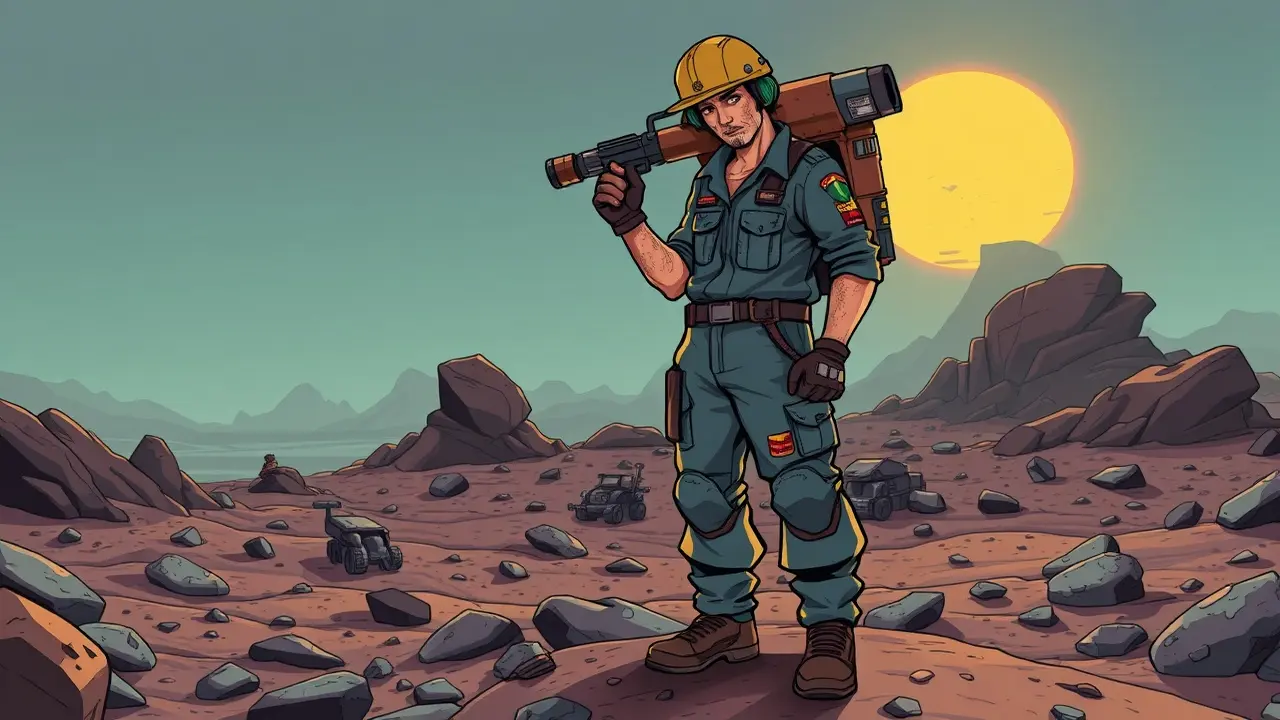
Aggro Crab just detonated a bombshell on the indie calendar, and the gaming press is scrambling to make sense of the reveal. The studio behind Going Under and Another Crab’s Treasure is publishing a new alien platformer built around a blue-collar protagonist hauling filthy contracts across hostile extraterrestrial terrain. I have combed through every frame of the reveal, the studio’s public comments, and the broader indie platformer pipeline. Here is the sharpest, most unflinching breakdown of what this alien platformer game actually means for 2026.
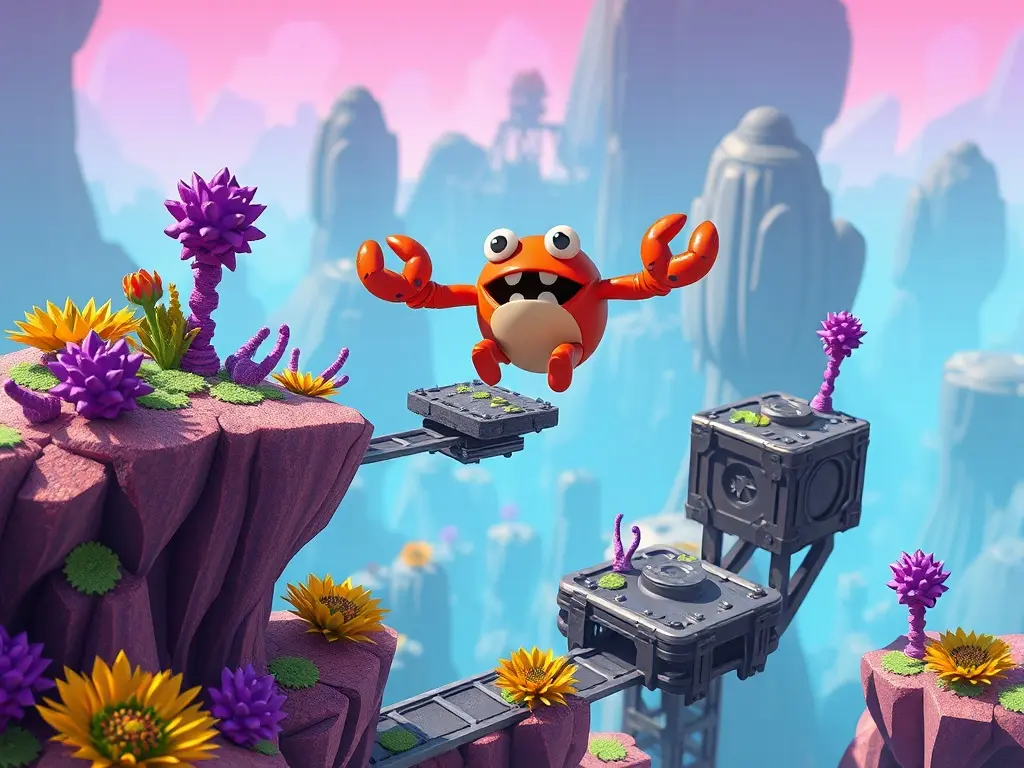
The Reveal: Why Aggro Crab’s New Game Hits Different
The studio dropped the announcement with zero forewarning, and the visuals hit like a sucker punch. The protagonist wears a stained coverall, wields industrial cleaning tools, and trudges through a planet soaked in toxic runoff. The framing is deliberate. Aggro Crab is signaling that the game’s identity rests on labor, grime, and survival economics rather than power fantasies. That thematic spine sets the alien platformer game apart from the glossy sci-fi platformers crowding 2026’s slate.
The studio’s pitch lands because the genre is starving for grounded stakes. Most space platformers lean on chosen-one narratives or cosmic dread. This one inverts the formula by making the player a working stiff under contract. Every job completion feeds an upgrade loop tied directly to gear, oxygen, and hazard pay. The mechanical hook is the grind itself, which fits the studio’s signature bleak-but-funny tone.
According to the initial report, key details define the core progression. The game’s structure borrows from the roguelite loop perfected in Hades, but the contract system layers a distinct identity on top of it. Players accept shifts, clear hazards, and bank credits toward permanent gear unlocks. The studio wants players to feel the weight of a paycheck in motion.
For Aggro Crab, this is a calculated pivot from the soulslike-lite terrain of Another Crab’s Treasure. The studio is chasing a wider audience without abandoning its comedic edge. Expect snide UI text, hostile HR departments, and dark jokes about interstellar exploitation dressed up as adventure.
Aggro Crab’s Mechanics and the Alien Platformer Blueprint
Combat and traversal center on a modular tool system. The protagonist’s primary weapon functions as a pressure washer, scrubber, and grappling hook depending on the nozzle swap. Aggro Crab designed the tool kit to reward improvisation, not button memorization. Every nozzle transforms your movement options, which is critical in a platformer where verticality and momentum decide survival.
A 165Hz low-latency display helps players fully appreciate the tight, responsive platforming mechanics that define Aggro Crab’s upcoming alien release. Players chasing frame-perfect inputs will benefit from a panel that can keep up with the game’s twitch physics. Check the ASUS ROG Strix XG27AQ 27″ 165Hz Gaming Monitor for the cleanest read on those high-speed scrambles.
Enemy design leans on environmental storytelling. Alien fauna react to pollution levels, and aggressive species spawn from toxic spills the player is contractually required to clean. Aggro Crab weaponizes that tension by forcing players to balance mission objectives against escalating threat density. Ignoring a hazard to push deeper pays off short-term, but triggers wave events that can end a run.
The upgrade tree splits into three branches: mobility, combat, and contract leverage. Mobility upgrades expand traversal range. Combat upgrades amplify tool damage and crowd control. Contract leverage unlocks better-paying shifts, permanent hazard reduction, and discount vendors. Aggro Crab clearly intends for players to specialize rather than min-max every stat, which keeps build diversity high across the player base.
Indie Platformer 2026 Context and Competitive Landscape
The 2026 indie pipeline is brutal. Crowdfunded platformers, solo-dev passion projects, and AA experiments are all fighting for the same launch windows. Aggro Crab’s alien platformer enters a year already loaded with heavy hitters. Visibility, not quality, will decide which titles break through.
Marketing strategy matters here. The studio leveraged its established fanbase across Discord, Steam, and Twitter with a single cinematic drop. No press tours. No festival previews. That approach mirrors the rollout used by Dice a Million in its recent expansion cycle, which built hype purely on community word of mouth. Read more about that momentum in our Dice a Million 2026 full launch update.
Platformer sales data in 2025 showed that audiences reward tight control loops over art direction alone. Celeste-style precision titles still sell, but hybrid roguelite platformers like Another Crab’s Treasure outperformed expectations last cycle. Aggro Crab is betting that combining action-platforming precision with roguelite replayability creates a chart-climbing hybrid that publishers cannot ignore.
Distribution is also a factor. The studio self-publishes this time rather than partnering with a larger label, which means higher royalty cuts and direct audience ownership. That move mirrors the indie playbook that helped Blood of Dawnwalker secure massive early sales through community-driven hype. The full breakdown is in our Blood of Dawnwalker sales report.
Aggro Crab’s Track Record and Studio Identity
Aggro Crab earned its reputation by shipping two distinct, mechanically sound games with sharp writing. Going Under satirized gig work in a flooded startup dungeon. Another Crab’s Treasure turned ocean trash into a soulslike shell-loadout system. Both titles sold steadily and built a community that expects clever themes paired with punishing difficulty. This new alien platformer inherits that DNA.
A wireless headset with clear audio lets fans catch every quirky line of dialogue that Aggro Crab is famous for delivering. Studio games lean on environmental jokes, sarcastic UI, and absurd NPC banter that reward attentive players. The SteelSeries Arctis 7 Wireless Gaming Headset delivers the positional clarity needed for combat callouts and tonal nuance in every conversation.
Studio co-founders have signaled a return to small-team game development with this project. The team is reportedly under fifteen people, which keeps scope manageable and iteration speed fast. That structure explains how Aggro Crab ships two quality titles in three years while keeping creative cohesion tight. The studio avoids feature creep by scoping aggressively around a single mechanical hook.
Expect post-launch support similar to Another Crab’s Treasure, which received multiple free content drops and a substantive expansion. Aggro Crab treats updates as community currency, not monetization leverage. That goodwill translates into launch-week conversion rates that outpace larger studios with bigger marketing budgets.
Release Window, Pricing, and What Comes Next
The current launch window points to late 2026, with a Q3 reveal window likely at a major summer showcase. Aggro Crab has not announced pricing, but its previous titles launched at the $19.99 indie sweet spot. Expect a similar structure here, possibly with a deluxe edition featuring an art book and soundtrack for collectors.
Wishlists matter more than hype at this stage. Steam’s algorithm favors games with strong wishlist-to-purchase conversion in the final two weeks before launch. Aggro Crab fans who want this alien platformer to chart high should drop a wishlist immediately. Early numbers will dictate whether the studio negotiates a marketing partner for launch week.
Early access is not on the table. The studio learned from its previous projects that finishing a game before release produces stronger reviews. Expect a polished Day One build rather than an open beta, though stress-test weekends may appear as launch approaches.
Wider coverage of the 2026 indie pipeline, including survival-craft experiments like Scavland, shows how competitive early access has become. Read our Scavland 2026 indie early access preview for context on how studios are balancing hype against quality concerns. Aggro Crab’s decision to launch fully baked may end up being its sharpest competitive edge.
Frequently Asked Questions
- What is Aggro Crab’s new alien platformer about?
- Aggro Crab’s new project is a 2026 alien platformer starring a blue-collar contractor who scrubs toxic alien planets for hazard pay, blending roguelite combat with satirical gig-economy mechanics.
- When will Aggro Crab’s new game release?
- The studio targets a late 2026 launch window, with a likely Q3 marketing push leading into a Day One release on Steam and console platforms.
- Is Aggro Crab publishing or developing the alien platformer?
- Aggro Crab is publishing the title while collaborating with a smaller external studio, maintaining creative oversight and quality control across development.
- How does the blue-collar mechanic work in gameplay?
- Players accept contracts, complete hazardous cleanup jobs, and spend earned credits on permanent gear upgrades, with failure triggering debt penalties that affect future runs.
- Will the game support controller play and accessibility options?
- Based on Aggro Crab’s previous titles, expect full controller support, remappable inputs, subtitle customization, and multiple difficulty modifiers at launch.