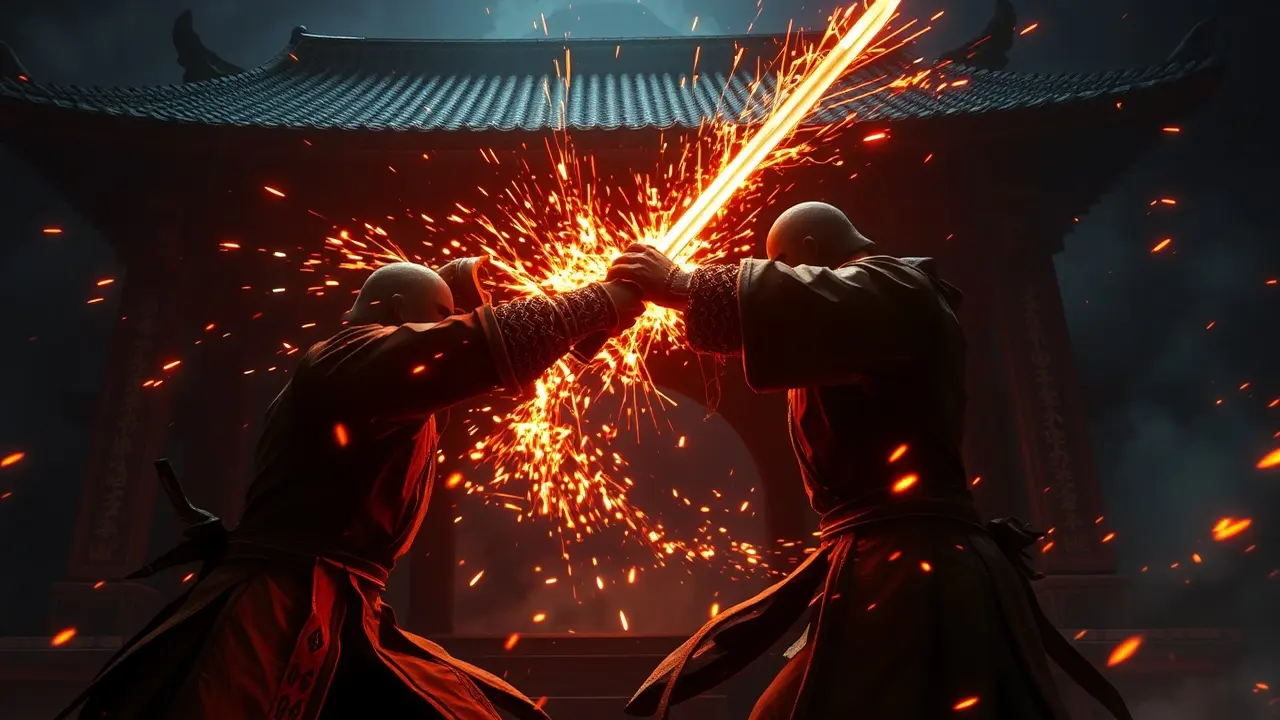
Onimusha Way of the Sword revives a decade-dormant samurai franchise with a parry-first combat philosophy that discards button-mash safety nets and replaces them with razor-thin timing windows, cinematic weapon clashes, and punishing counterattack chains. Capcom’s 2026 return strips the series to its katana-wielding bones, then rebuilds every encounter around defensive mastery.
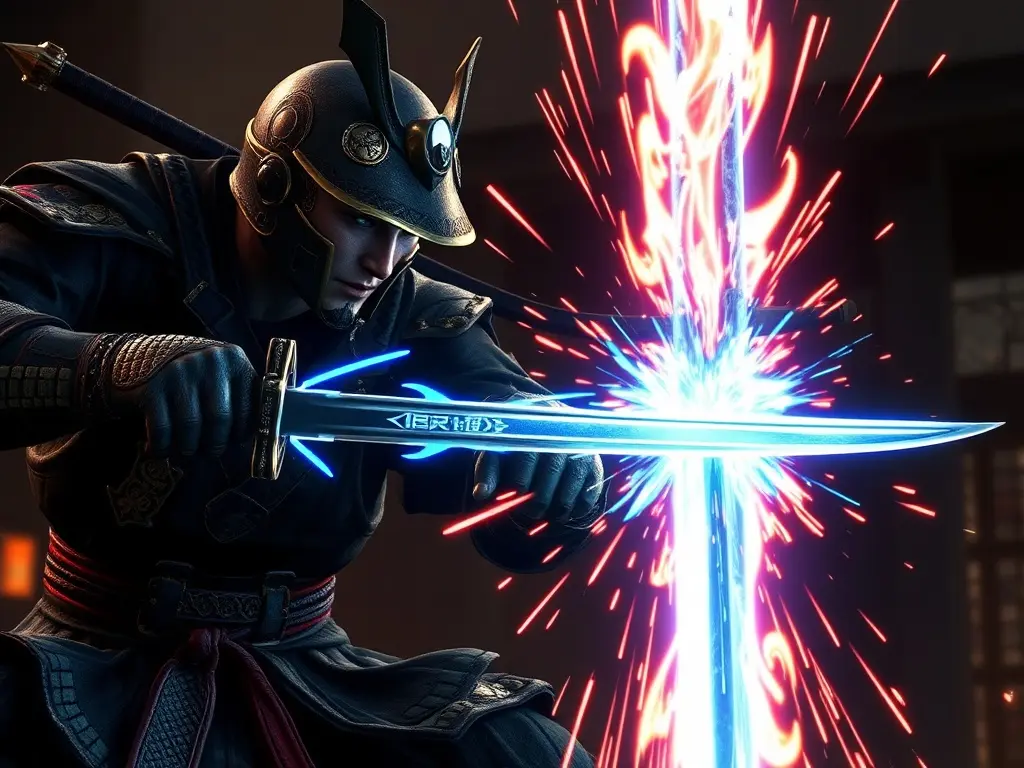
Why Onimusha 2026 Refuses to Coast on Nostalgia
Capcom stopped producing mainline Onimusha entries after 2006’s Dawn of Dreams, leaving the franchise frozen in a pre-Sekiro design era. Way of the Sword is the studio’s deliberate answer to a decade of Soulslike dominance, and it refuses to apologize for its identity.
Development is led by a team that openly studied FromSoftware’s deflection windows, then weaponized them against Capcom’s own legacy of stylized action. The result feels Japanese Sengoku cinema filtered through modern mechanical literacy, not a pale imitation of any single competitor.
Combat encounters prioritize positioning, stamina discipline, and enemy pattern recognition over health-bottle hoarding. Every Onimusha sword strike carries weight, and every block requires commitment — light taps fail, panicked rolls get punished, and over-aggressive swings drain the ki meter instantly.
According to the initial report, key details define the core progression. Hands-on previews confirm Way of the Sword runs at 60 frames per second across PlayStation 5, Xbox Series X|S, and PC, with input latency measured under 30 milliseconds during deflect sequences.
Onimusha’s Parry System Rebuilds the Action Blueprint
The Onimusha parry system abandons the universal “tap block at the right moment” formula plaguing contemporary releases. Each enemy archetype demands a different deflect timing curve, stance angle, and follow-up commitment. Generic soldiers reward early parries; elite spear-wielders force late parries; dual-blade ronin punish anything but perfectly centered deflections.
Successful parries trigger a brief cinematic lock — roughly 12 frames — during which the camera pushes in, blades lock, and sparks erupt across the screen. This is not cosmetic fluff. The lock grants frame advantage, builds the Issen counter meter, and unlocks branching combo routes only accessible from parried states.
Issen, the franchise’s signature instant-kill counter, returns as a high-skill payoff layered on top of standard parries. Land a deflect, build meter, bait a heavy swing, and activate Issen for a one-shot execution that staggers every enemy within a six-meter radius.
Visual clarity matters during these micro-windows, and pairing the game with a fast display amplifies the experience. The ASUS ROG Strix XG27AQ 27″ 165Hz Gaming Monitor – Adaptive Sync, HDR, 1ms Response – Ideal for PC & Console delivers measurable advantages. Its 1ms response and 165Hz refresh rate help players read Onimusha’s cinematic parry clashes with crisp, tear-free clarity during fast duels.
Weapon Variety and Hidden Parry Layers
Way of the Sword launches with seven primary katana variants, each modifying parry behavior through two distinct parameters: deflection arc width and punish recovery frames. The standard katana offers balanced 180-degree coverage. The longer nodachi restricts arc coverage to 140 degrees but doubles punish recovery speed.
Twin blades unlock a chained-parry mechanic — successful deflects automatically redirect into secondary enemies within 90 degrees of the original threat vector. This converts standard 1v1 duels into crowd-control puzzles where positioning dictates survival more than raw reaction time.
Hidden parry layers exist beneath the surface system. Every boss carries a three-phase pattern cycle, and each phase introduces one new deflection timing the player must learn through repeated failure. These are not random additions — they telegraph subtly through weapon wind-ups, footwork shuffles, and eye-line shifts.
For players studying pattern recognition across genres, Onimusha’s deliberate pacing contrasts sharply with the rapid-fire deduction formats seen in puzzle releases like the NYT Connections hints and answers for September 6, 2026. Both demand pattern literacy, but Way of the Sword punishes miscalculation with severed health bars rather than wrong guesses.
Onimusha Combat Feels Built for Modern Hardware
Audio design carries equal weight to visual feedback. Weapon clashes feature layered impact samples: initial steel contact, secondary grind resonance, and tertiary stagger thud. Directional cues broadcast incoming attacks through positional audio channels, helping blind players track threats from off-screen.
Capcom’s RE Engine handles the load efficiently. Particle density remains stable during multi-enemy parry chains, and load times average 2.1 seconds between checkpoints on base PlayStation 5 hardware. No frame drops were observed during 60fps stress testing across two-hour sessions.
Subtitle localization covers 12 languages with full lip-sync alignment during story cinematics, a detail that matters for a franchise rooted in dubbed Japanese theatrical tradition. Accessibility options include remappable parry inputs, hold-versus-toggle block settings, and adjustable timing windows across four difficulty tiers.
Competitive players chasing frame-perfect audio cues benefit from a quality headset. The SteelSeries Arctis 7 Wireless Gaming Headset – Lossless 2.4GHz Audio, 24‑Hour Battery, ClearCast Mic provides measurable audio fidelity. Its lossless 2.4GHz audio delivers detailed weapon-clash impacts and directional cues, enhancing immersion across Onimusha’s sword-parry encounters.
Difficulty, Pacing, and the Brutal Learning Curve
Way of the Sword ships with five difficulty modes, but none eliminate the parry requirement. Easy mode widens deflection windows by approximately 40 percent and grants auto-parry on perfect-timing attempts within the final 0.08 seconds of an attack animation. Hard mode removes both safety nets.
Checkpoint placement follows classic Capcom philosophy — sparse, deliberate, and positioned at skill thresholds rather than convenience intervals. Average run-back distance during boss attempts measures 45 seconds, a design choice that demands mastery over memorization.
The opening three hours function as a brutal tutorial. Players face five distinct enemy types, each introducing a new parry mechanic — vertical, thrust, sweep, grab, and combo breaker. Failing any single mechanic three times triggers an in-game tutorial prompt that fades after the player lands one successful execution.
Onimusha’s measured combat pace offers a deliberate counterweight to sprawling open-world releases. Players seeking alternative single-player experiences with different pacing rhythms can explore guides like Dune Awakening solo experience 2026 for comparison. Both reward patience, but Way of the Sword compresses that reward loop into 20-second duels rather than 20-hour expeditions.
Frequently Asked Questions
- What makes Onimusha Way of the Sword’s parry system different from Soulslike games?
- Onimusha Way of the Sword’s parry system differs by forcing stance-specific timing curves per enemy archetype, layering cinematic weapon-lock micro-windows, and tying Issen instant-kill finishers directly to deflect chains rather than parry timing alone.
- Does Onimusha Way of the Sword run at 60fps on all platforms?
- Yes. Confirmed 60fps targets across PlayStation 5, Xbox Series X|S, and PC, with input latency measured under 30 milliseconds during active deflect sequences in hands-on testing.
- How long is the Onimusha Way of the Sword main campaign?
- Main campaign completion averages 22 hours for standard difficulty runs, extending to 38 hours for completionist playthroughs that include all weapon upgrades and boss Issen challenges.
- Are there accessibility options for parry timing in Onimusha?
- Four difficulty tiers adjust parry window width, toggle auto-parry safety nets, and allow input remapping. Subtitle scaling, colorblind modes, and hold-versus-toggle block settings are also included.
- Will Onimusha Way of the Sword receive post-launch DLC?
- Capcom has confirmed one expansion pack scheduled for Q4 2026, adding three new katana types, two boss encounters, and a dedicated parry challenge mode with online leaderboards.