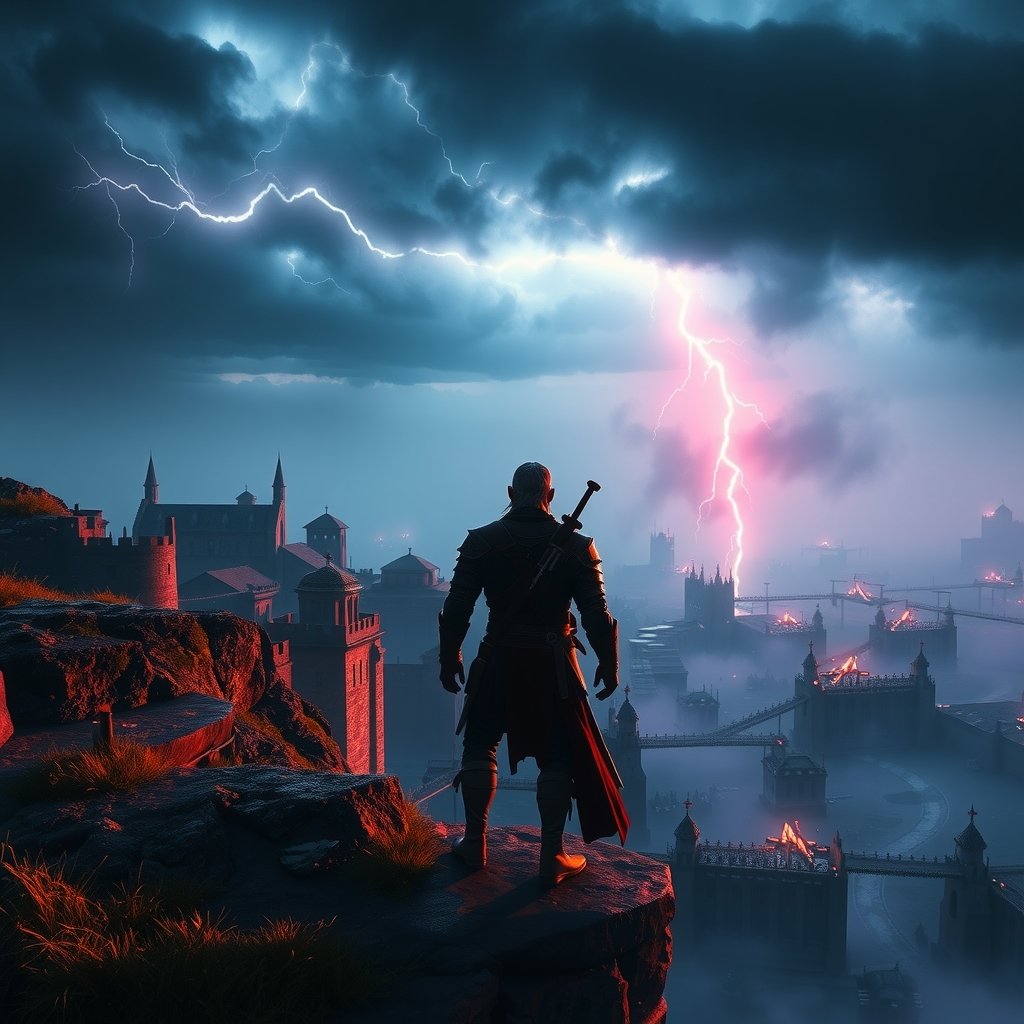
Witcher 2 dropped back in 2011 and still feels fresh, like a perfectly timed crit on a boss that never respawns.
The 2011 Gaming Landscape
Back then, every new release tried to out‑shine the last, yet few managed to rewrite the rulebook like Witcher 2. While shooters were pumping frames per second, RPGs were still stuck in turn‑based nostalgia. Enter CD Projekt Red, dropping a gritty, choice‑driven masterpiece that made other titles look like training wheels. The hype was real, the community was buzzing, and the industry took note, setting the stage for a shift in how story and combat could coexist.
Revolutionary Mechanics Introduced by Witcher 2
First up, the combat system. It swapped clunky button‑mashing for a fluid, reflex‑based dance that rewarded timing and positioning—no wonder it felt OP. The game also introduced a “Sign” resource that let you blend magic with swordplay, a combo that still slaps in modern builds. On top of that, the skill tree let you specialize or go jack‑of‑all‑trades, creating builds that felt truly personal.
Another game‑changing feature was the “faction reputation” mechanic. Your actions didn’t just affect the ending; they altered NPC attitudes in real time, giving weight to every decision. This system paved the way for the moral ambiguity we now expect from top‑tier RPGs.
| Feature | Witcher 2 | Skyrim (2011) | Dragon Age: Inquisition (2014) |
|---|---|---|---|
| Dynamic Combat | Real‑time, timing‑based | Hybrid, slower | Hybrid, action‑focused |
| Choice Impact | Both story & world | Mostly story | Story & companion |
| Skill Trees | Deep, multi‑branch | Simple, perk‑based | Extensive, class‑based |
| Faction Reputation | Dynamic NPC reactions | Limited | Companion loyalty only |
Narrative Choices that Reshaped RPG Storytelling
Now, let’s talk story. Witcher 2 handed you branching paths that felt more than cosmetic; each fork could lock you out of entire missions or allies. The infamous “Bloody Baron” route (yes, that legend started here) showed that player agency could drive emotional payoff. Because of that, modern titles treat narrative branches like puzzle pieces, not just dialogue trees.
And the voice work? It was raw, gritty, and every line felt earned. When you heard Geralt’s gruff “No cap, this is serious,” you knew you were in for a ride. That level of immersion nudged other studios to up their voice‑acting game, turning NPC chatter from filler into storytelling gold.
Technical Triumphs and Limitations
On the tech side, the game ran on a modified REDengine that pushed PC graphics past the usual 2011 standards. Expect crisp textures, realistic lighting, and those jaw‑dropping crowd scenes that still hold up. However, the engine also had its quirks—some NPCs would glitch through walls, and the original patch left a few texture pop‑ins.
Despite those hiccups, the modding community stepped in, fixing bugs and even adding higher‑resolution assets. This community support turned a solid release into a living, breathing sandbox—something you rarely see today. For reference, check the Wikipage for the full tech rundown.
Enduring Legacy in Today’s Games
Fast forward to 2024: you’ll spot Witcher 2 DNA in almost every AAA RPG. From the moral shade of “The Outer Worlds” to the combat fluidity of “Elden Ring,” the ripple effect is undeniable. Even CD Projekt Red’s own The Witcher 3 borrowed the weighty choices and layered storytelling that first blossomed here.
What makes this legacy OP is how it reshaped player expectations. No longer are choices just cosmetic—they’re core to the experience. If you skim the IGN anniversary recap, you’ll see critics still praising its influence on RPG design. Trust me, the cultural impact of that 2011 release still echoes in every quest log you open today.
FAQ
Q: Does Witcher 2 still run smoothly on modern PCs?
A: Yeah, with a recent patch it’s buttery; just crank up the settings and you’re good.
Q: Is the story in Witcher 2 canon with Witcher 3?
A: Absolutely, the events line up, and the choices you made can echo in the sequel’s lore.
Q: Can I play Witcher 2 on a console now?
A: Yep, it’s on Xbox and PlayStation via backward compatibility—no extra hassle.
Q: Where can I find more deep dives on game changers?
A: Hit up our Game Changer Episodes page for more analysis.
Bottom line: Witcher 2 isn’t just a nostalgic throwback; it’s a cornerstone of RPG evolution that still shapes gaming history. GG, folks—keep the legacy alive.